
Industrial Pipe Cutting Machine
Advantages of Water Jet Cutting Technology for Industrial Pipelines
With global industrial upgrading and the growing emphasis on safety and environmental protection, water jet cutting technology—an advanced cold cutting process—has demonstrated significant advantages in the processing and maintenance of industrial pipelines.
Industrial pipelines are critical components of energy transmission, chemical production, and infrastructure systems. Their cutting, maintenance, and retrofit operations place extremely high demands on safety, precision, and environmental performance. Traditional methods such as flame cutting and plasma cutting present safety risks and technical limitations when dealing with flammable or explosive media and high-precision processing requirements. Thanks to its “cold cutting” characteristics, water jet cutting has become an ideal solution for industrial pipeline applications.
Core Advantages of Water Jet Cutting in Industrial Pipelines
1.Inherent Safety
Water jet cutting is a fully cold cutting process that produces no open flame, no high temperature, and no static electricity, completely eliminating the risk of igniting flammable gases or dust. In hazardous environments such as petrochemical plants and gas transmission systems, water jet cutting can be performed safely even when dangerous media remain inside the pipeline, fundamentally removing the explosion risks associated with traditional hot work.
For example, Baloosi Group has successfully applied water jet cutting technology in chemical equipment dismantling projects, achieving the safety goal of “zero explosions, zero pollution, and zero casualties.”
2.High Precision and Strong Adaptability
Water jet cutting offers extremely high cutting precision with narrow kerfs and no heat-affected zone. It does not alter the metallographic structure of the material or cause thermal stress deformation, thereby maximizing the recovery value and service performance of pipeline components.
At the same time, water jet cutting can process materials of virtually any hardness and composition, including metals, composite materials, and fiberglass (FRP), making it highly adaptable to the diverse materials used in industrial pipelines.
3.Environmental Friendliness and Multifunctionality
During the cutting process, water jet cutting generates only a small amount of wastewater mixed with abrasive material, which can be recycled or centrally treated through integrated water treatment systems. This significantly reduces solid waste and dust pollution.
In addition, portable water jet cutting equipment can integrate cleaning and descaling functions, enabling deep internal pipe cleaning and surface rust removal while completing cutting operations. This multifunctional, integrated approach greatly improves operational efficiency and overall economic benefits.
Conclusion
In the field of industrial pipeline cutting, water jet cutting technology—thanks to its cold cutting characteristics, material versatility, high precision, environmental safety, and intelligent upgrading potential—is evolving from a niche solution into a mainstream choice in industrial manufacturing.
Especially in industries with extremely high safety and precision requirements, such as petrochemicals, gas pipelines, and new energy equipment, water jet cutting not only addresses the pain points of traditional cutting methods but also leads cutting technology toward a greener, more efficient, and more intelligent future.
As global manufacturing continues its shift toward intelligent and green production, the market share of water jet cutting technology will further expand, and its application in industrial pipeline cutting will become increasingly widespread. Centered on water jet cutting, industrial pipeline cutting technology is becoming a key force in advancing industrial safety upgrades and achieving sustainable development.
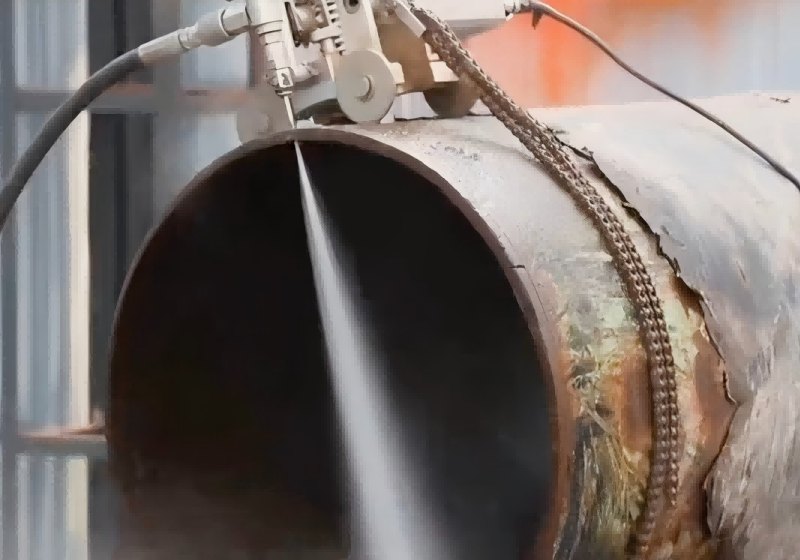 Waterjet Cutting Oil Gas Pipeline Advantage
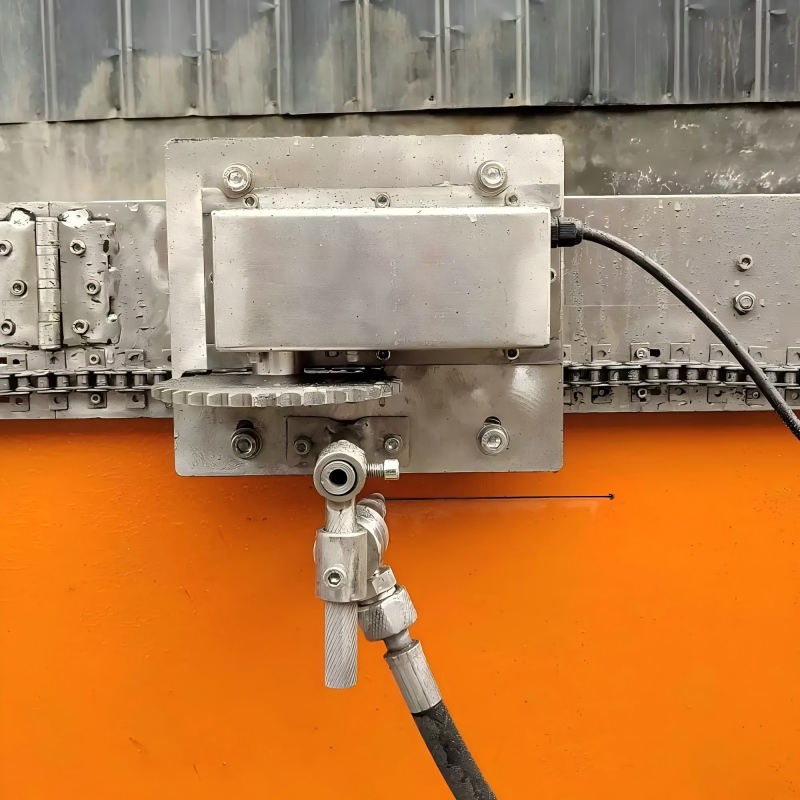 Waterjet Technology: The Safest Choice for Oil and Gas Pipeline Cutting
Share This Article, Choose Your Platform!
Related News
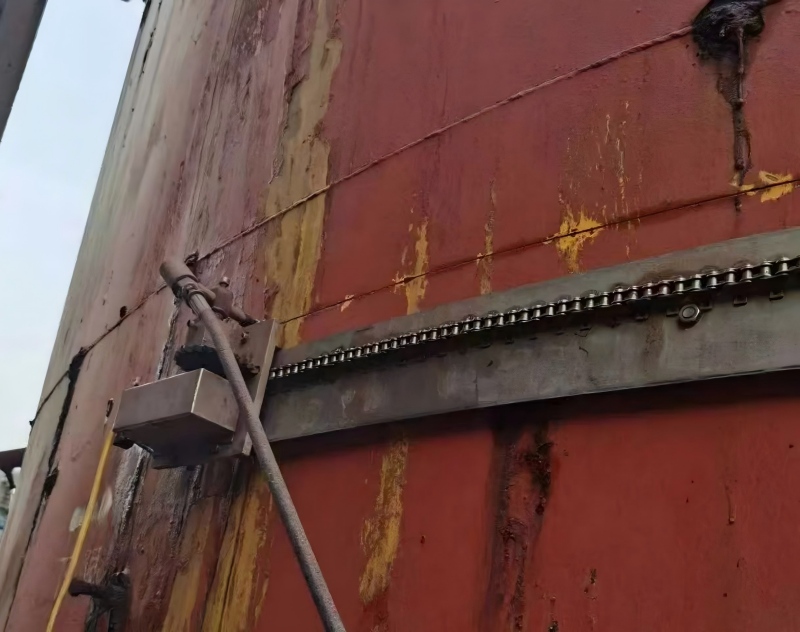
Advantages of Water Jet Cutting Technology for Industrial Pipelines With global industrial upgrading and the growing emphasis on safety and environmental protection, water jet cutting technology—an advanced cold cutting process—has demonstrated significant advantages in the processing and maintenance of industrial pipelines. Industrial pipelines are critical components of energy transmission, chemical production, and infrastructure systems. Their [...]
Water Jet Cutting: The Safe Cutting Solution for Oil and Gas Pipeline Industry In high-risk industries such as petrochemical and natural gas storage and transportation, maintenance, renovation, and demolition operations for pipelines and storage tanks are always accompanied by extremely high safety risks. The high temperature, sparks, and toxic gases generated by traditional cutting tools [...]
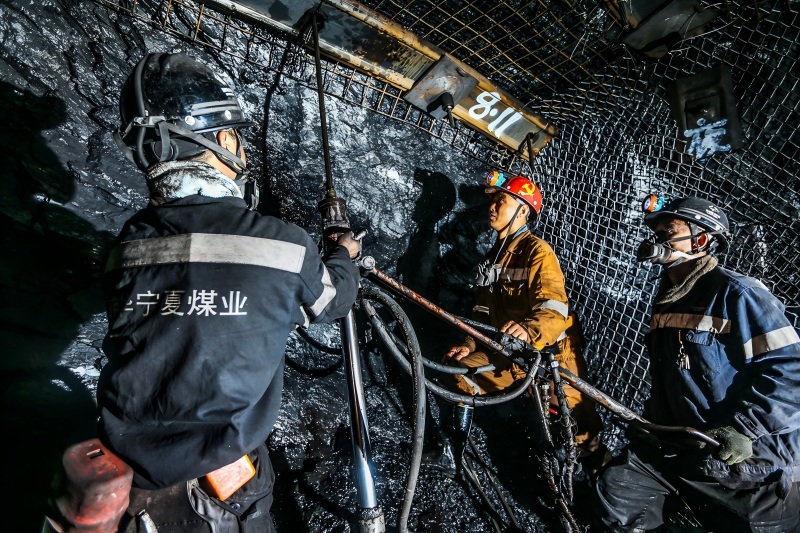
Application and Development Trends of High-Pressure Water Jet Technology in the International Coal Mining Market AbstractHigh-pressure water jet technology, as an advanced cold cutting and processing technology, has been widely applied in the international coal mining market in recent years. This paper analyzes global data on mining water jet cutting equipment, comparing traditional cutting technologies [...]