
From 740 million to 1.11 billion, waterjet technology ignites the coal mining equipment market.
Application and Development Trends of High-Pressure Water Jet Technology in the International Coal Mining Market
Abstract
High-pressure water jet technology, as an advanced cold cutting and processing technology, has been widely applied in the international coal mining market in recent years. This paper analyzes global data on mining water jet cutting equipment, comparing traditional cutting technologies with water jet technology, and delves into its applications and advantages in coal mining, gas control, and equipment maintenance. The research finds that water jet technology offers significant advantages in improving coal mining efficiency, ensuring operational safety, and reducing environmental pollution. It is one of the key technologies driving the green and intelligent transformation of the coal mining industry. However, challenges such as high costs and a shortage of specialized talent still exist in its practical application. In the future, with continuous innovation and improvement, high-pressure water jet technology is expected to play a more important role in the international coal mining market.
Keywords: High-pressure water jet technology; coal mining; green transformation; application status; development trends
1. Introduction
The global energy landscape is undergoing profound changes, with coal, as an important fossil fuel, still holding a significant share in energy consumption. Meanwhile, the coal mining industry faces multiple challenges such as safety, environmental protection, and efficiency. Traditional coal mining technologies face issues like major safety hazards, severe environmental pollution, and low resource utilization, making it difficult to meet the demands of the modern coal mining industry. High-pressure water jet technology, with its unique advantages, provides new solutions for the transformation and upgrading of the coal mining industry. In recent years, the mining water jet cutting equipment market has been growing rapidly, with a market size projected to reach $740 million by 2025 and exceed $1.11 billion by 2033, with a compound annual growth rate of 6.1%. This paper will systematically analyze the application status, advantages, and challenges of high-pressure water jet technology in the international coal mining market and provide insights into its future development trends.
2. Principles and Classification of High-Pressure Water Jet Technology
2.1 Technology Principles
High-pressure water jet technology works by using a high-pressure pump to pressurize water to 20,000-60,000 PSI (approximately 1379-4137 bar) and then converting the high-pressure water into a high-speed jet (speeds up to 800-1000 m/s) through a specially designed nozzle. The impact force and shear force of the high-speed jet are used to cut and break materials. For cutting hard materials, abrasive materials such as garnet and diamond sand are added to the high-pressure water to enhance cutting ability.
2.2 Classification
High-pressure water jet technology can be classified based on different criteria:
-
By Cutting Medium: Pure water cutting and abrasive water jet cutting. Pure water cutting is suitable for cutting soft materials such as rubber and foam, while abrasive water jet cutting is used for cutting metals, stones, and other hard materials.
-
By Pressure Level: Low pressure (<100 MPa), high pressure (100-200 MPa), and ultra-high pressure (>200 MPa). Low-pressure types are safer and used in special fields like hazardous chemical handling; high-pressure is the mainstream industrial application; ultra-high pressure has stronger cutting capabilities.
-
By Technical Principle: Pre-mixed and post-mixed systems. In pre-mixed systems, abrasives mix with water before the nozzle, while in post-mixed systems, abrasives mix with water at the nozzle outlet.
3. Comparison between Traditional Cutting Technologies and Water Jet Technology
3.1 Limitations of Traditional Cutting Technologies
Traditional coal mining cutting technologies include flame cutting, electric saw cutting, etc., with the following obvious limitations:
-
Safety Hazards: Flame cutting and electric saw cutting generate sparks and high temperatures, which can ignite methane and other flammable gases, leading to safety accidents.
-
Environmental Pollution: Traditional cutting processes generate a large amount of dust and harmful gases, which are hazardous to workers’ health and pollute the environment.
-
Low Cutting Precision: Manual operation leads to large errors, making it difficult to achieve precise cutting, thus affecting resource extraction efficiency and quality.
-
Poor Equipment Adaptability: Traditional cutting equipment is large, complex, and difficult to adapt to narrow underground spaces and complex working environments.
3.2 Advantages of Water Jet Technology
Compared to traditional cutting technologies, water jet technology offers significant advantages:
-
High Safety: Water jet technology uses high-pressure water as the cutting medium, with no open flames or high temperatures, eliminating the risk of gas explosions and ensuring a high level of safety in underground operations.
-
Environmental Friendliness and Efficiency: The cutting process generates no dust or harmful gas emissions, effectively protecting workers’ health. Additionally, the cutting material undergoes no thermal deformation or chemical change, requiring no secondary processing, thereby improving production efficiency.
-
High Precision and Strong Adaptability: Water jet cutting is precisely controlled by CNC systems, with an error margin of less than 0.1 mm. The equipment is lightweight and flexible, allowing 360° adjustments to adapt to complex underground working environments.
-
Economic and Durable: There is no need for frequent blade replacements, and maintenance costs are low. The cutting surface is smooth and flat, reducing the need for subsequent processing, thus improving overall benefits by over 30%.
4. Current Application Status of High-Pressure Water Jet Technology in the International Coal Mining Market
4.1 Global Market Size and Growth Trend
In recent years, the global market for mining water jet cutting equipment has been growing rapidly. The market size has increased from about $500 million in 2020 to $740 million in 2025, with a projected value of over $1.11 billion by 2033, at a compound annual growth rate of 6.1%. Market growth is driven by factors such as automation, safety regulations, environmental protection requirements, and dust control measures. Among these, automation drives account for more than 68%, safety regulations 62%, environmental protection needs 54%, and dust control measures 49%.
4.2 Regional Application
In major coal-producing and exporting countries, water jet equipment has been widely used:
-
Australia: As the world’s largest coal exporter, over 60% of underground coal mines use water jet cutting equipment. The use of water jet devices has reduced the accident rate by 64%, extended equipment lifespan by 33%, and significantly improved mining efficiency.
-
United States: According to data from mining giant Newmont, water jet equipment has increased coal mining efficiency by 35% and reduced energy consumption by 41%. The U.S. coal industry mainly uses water jet technology to improve mining efficiency and ensure operational safety.
-
Russia: The Russian coal mining industry widely applies water jet technology in gas control and equipment maintenance, effectively solving safety and environmental pollution issues.
-
China: As the world’s largest coal producer, China’s coal mining industry has also achieved significant results with water jet technology. In provinces such as Shanxi and Henan, integrated water-powered gas drainage equipment has been widely used for gas control, improving gas extraction efficiency by more than four times and shortening the tunneling cycle by 50%.
4.3 Application Areas
High-pressure water jet technology is mainly applied in the following areas of the international coal mining market:
-
Coal Mining: Water jet technology can be used in coal mining for coal dropping, transport, etc., improving mining efficiency and reducing safety incidents. For example, hydraulic coal mining methods use water jetting for coal dropping and transport, simplifying mining operations.
-
Gas Control: In gas control, water jet technology can be used for creating holes and releasing pressure in coal seams, enhancing gas drainage and preventing coal and gas outbursts.
-
Equipment Maintenance: Water jet technology can be used for coal mine equipment demolition, repair, and rust removal, offering high efficiency and safety. For example, mining water jet cutters can be used for cutting tasks during equipment maintenance, with high precision and adaptability.
5. Challenges Facing High-Pressure Water Jet Technology in Coal Mining Applications
5.1 High Costs
High-pressure water jet equipment requires a large initial investment, and the use of abrasives and water during operation increases ongoing costs. Additionally, equipment maintenance and upkeep add further expenses, limiting the widespread application of water jet technology in small- and medium-sized coal mines.
5.2 Shortage of Professional Talent
High-pressure water jet technology requires specialized knowledge and skills for operation and maintenance. Currently, there is a global shortage of professionals with expertise in high-pressure water jet technology, which hinders its widespread adoption in the coal mining industry.
5.3 Water Resource Constraints
Water jet technology requires a large amount of water, which can pose difficulties in areas with limited water resources. Therefore, improving water usage efficiency and reducing water consumption are important challenges to address in the application of water jet technology in coal mining.
5.4 Lack of Technological Innovation
Although high-pressure water jet technology has been widely applied in coal mining, there is still a lack of innovation in certain areas, such as the performance of ultra-high pressure pumps, nozzles, and other core components, and the level of automation and intelligence.
6. Future Development Trends of High-Pressure Water Jet Technology in the Coal Mining Market
6.1 Intelligence and Automation
With the ongoing development of artificial intelligence, the Internet of Things, and other technologies, high-pressure water jet technology will evolve towards greater intelligence and automation. Future water jet equipment will feature more advanced control systems and sensors, enabling automatic identification, cutting, and adjustment, further improving productivity and quality.
6.2 Modular and Portable
Modular design will become an important trend for water jet equipment. With modular design, equipment can be quickly assembled and disassembled, facilitating transportation and maintenance. Additionally, portable water jet equipment will be further developed to meet the needs of complex working environments.
6.3 Green and Environmental Protection
In the context of increasing global environmental awareness, high-pressure water jet technology will focus more on environmental protection. Future water jet equipment will adopt more efficient filtration systems and water recycling technologies to reduce water consumption and pollutant emissions, achieving sustainable development.
6.4 Integration with Other Technologies
High-pressure water jet technology will be integrated with other advanced technologies, such as laser technology and plasma technology, to create more efficient, multifunctional composite processing technologies, offering more solutions for the coal mining industry.
7. Conclusion
High-pressure water jet technology, as an advanced coal mining cutting and processing technology, has shown great potential in the international coal mining market. This technology offers significant advantages in improving coal mining efficiency, ensuring operational safety, and reducing environmental pollution, making it a key technology in driving the green and intelligent transformation of the coal mining industry. Although challenges such as high costs and a shortage of specialized talent remain, these issues will gradually be resolved through continuous innovation and improvement. In the future, high-pressure water jet technology will evolve toward intelligence, automation, and environmental protection, playing an increasingly important role in the international coal mining market.
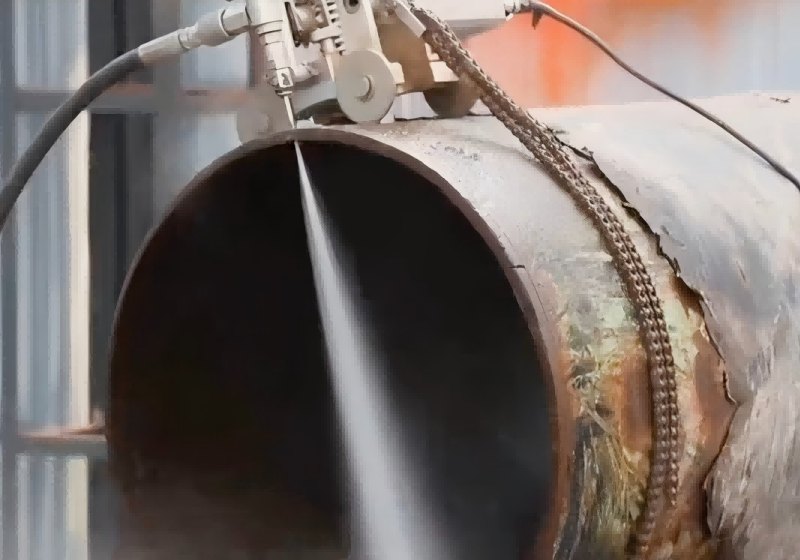 Waterjet Cutting Oil Gas Pipeline Advantage
Share This Article, Choose Your Platform!
Related News
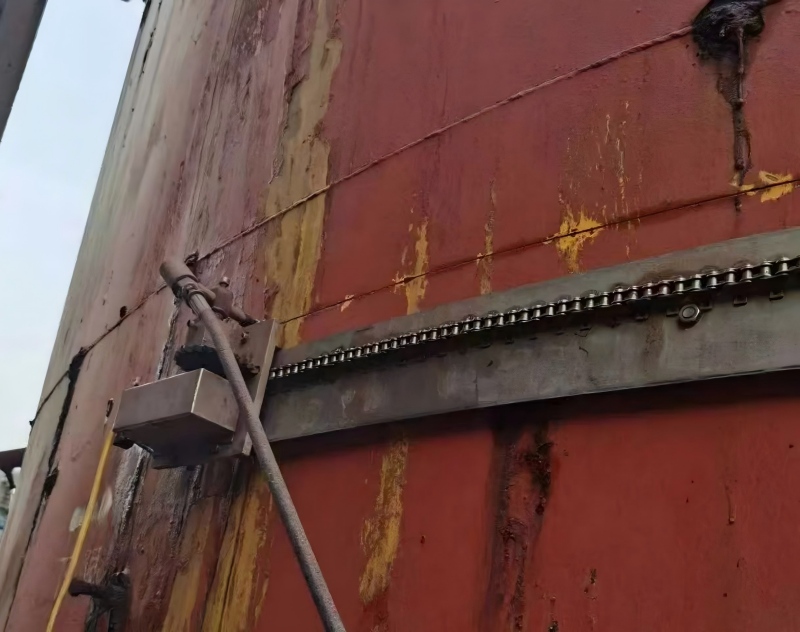
Advantages of Water Jet Cutting Technology for Industrial Pipelines With global industrial upgrading and the growing emphasis on safety and environmental protection, water jet cutting technology—an advanced cold cutting process—has demonstrated significant advantages in the processing and maintenance of industrial pipelines. Industrial pipelines are critical components of energy transmission, chemical production, and infrastructure systems. Their [...]
Water Jet Cutting: The Safe Cutting Solution for Oil and Gas Pipeline Industry In high-risk industries such as petrochemical and natural gas storage and transportation, maintenance, renovation, and demolition operations for pipelines and storage tanks are always accompanied by extremely high safety risks. The high temperature, sparks, and toxic gases generated by traditional cutting tools [...]
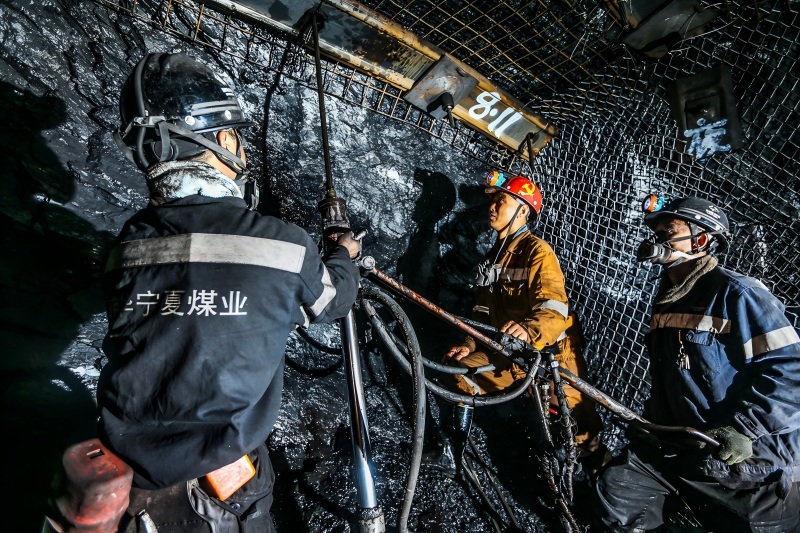
Application and Development Trends of High-Pressure Water Jet Technology in the International Coal Mining Market AbstractHigh-pressure water jet technology, as an advanced cold cutting and processing technology, has been widely applied in the international coal mining market in recent years. This paper analyzes global data on mining water jet cutting equipment, comparing traditional cutting technologies [...]