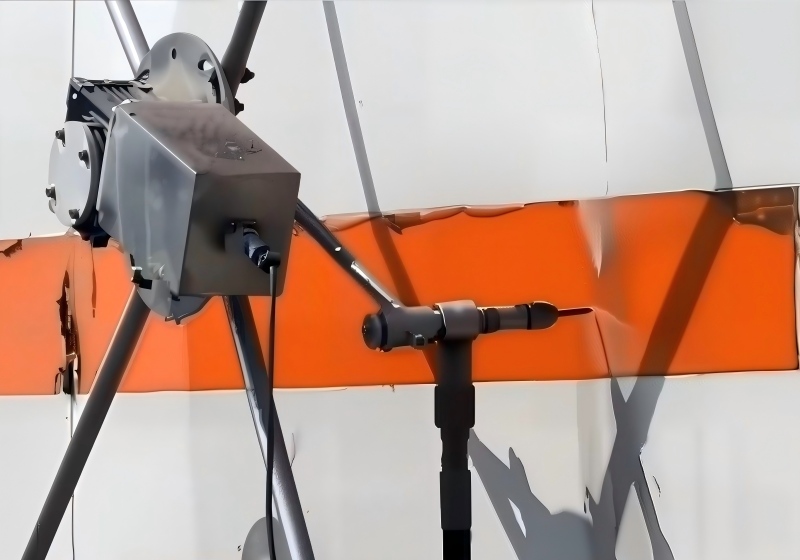
1. Oil Tank Maintenance and Dismantling
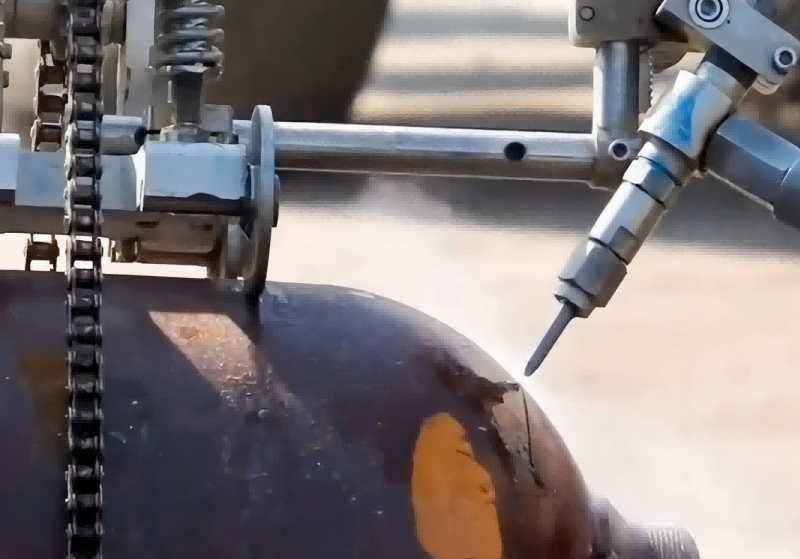
The oil-gas mixture remaining inside oil tanks is the “number one killer” for traditional hot work operations. Waterjet cutting technology allows oil-involved operations without emptying the tank. For example, a refinery installing monitoring equipment on 10 crude oil storage tanks used low-pressure waterjet cutting with garnet abrasive. Without tank cleaning or hot work, all openings were completed within 7 days with a precision of ±0.5 mm, shortening the original schedule by 50% and saving the company over ten million yuan in production losses.
2. Pipeline Live Operations
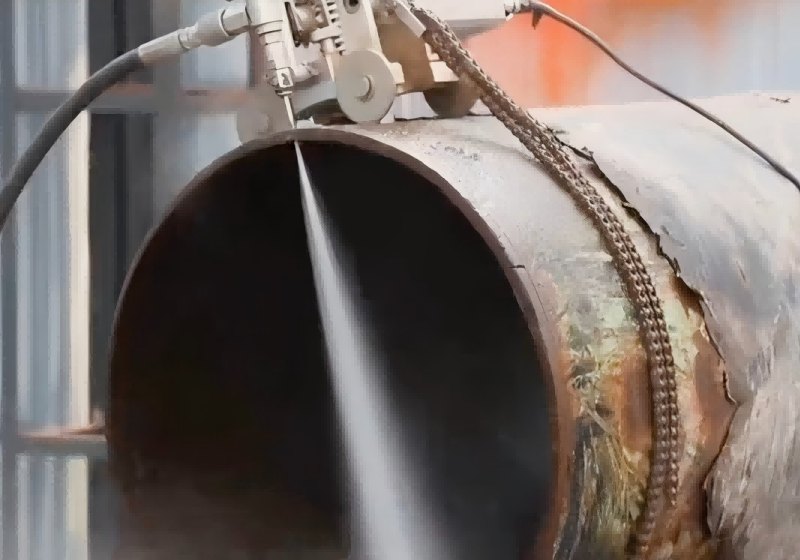
Live pipeline leak sealing or cutting is a common requirement in the petrochemical industry. Traditional hot work requires depressurization, causing production interruptions. Waterjet cutting can precisely cut corroded pipeline sections under pressure while simultaneously preparing bevels. For instance, when a northwest oil pipeline experienced a sudden leak due to corrosion, a portable low-pressure waterjet device completed the replacement in just 6 hours, avoiding an estimated economic loss of over 8 million yuan caused by a 48-hour shutdown.
3. Reactor Cleaning and Modification
Cleaning and removing deposits from reactor walls is a challenge for chemical companies. Traditional chemical cleaning poses environmental risks, and manual cleaning can take up to two weeks. Using a low-pressure rotary waterjet nozzle combined with a customized cleaning solution, deposits up to 15 cm thick were completely removed in only 3 days. Wastewater was recycled on-site through a filtration system, achieving “zero hazardous waste discharge,” and production capacity increased by 12% after equipment restart.
4. Hazardous Chemical Disposal
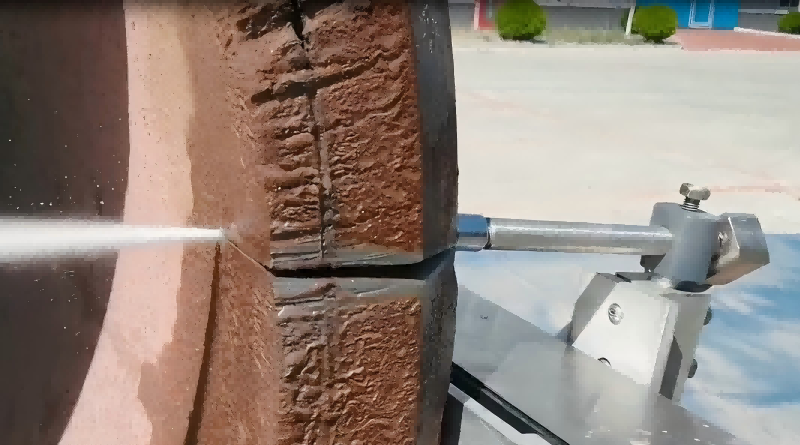
For equipment containing flammable and explosive residues such as phenol or formaldehyde, waterjet cutting is the only safe and reliable solution. Barosch Group’s waterjet cutting system, equipped with AI intelligent control and gas detection interlock modules, can safely operate in high-risk environments with residual oil and gas. It successfully cut equipment with a 14.7 cm thick wall, completing the task one day earlier than traditional hot work and increasing equipment recovery rate by 20%.
5. Offshore Platform Operations
Offshore platforms have limited space and complex flammable and explosive environments, making it difficult for traditional cutting equipment to enter. Portable waterjet equipment is compact and lightweight, allowing flexible transport to narrow spaces, elevated platforms, and other work areas. For example, in offshore platform tank opening cases, waterjet cutting technology completed high-precision openings without affecting the normal operation of the platform.
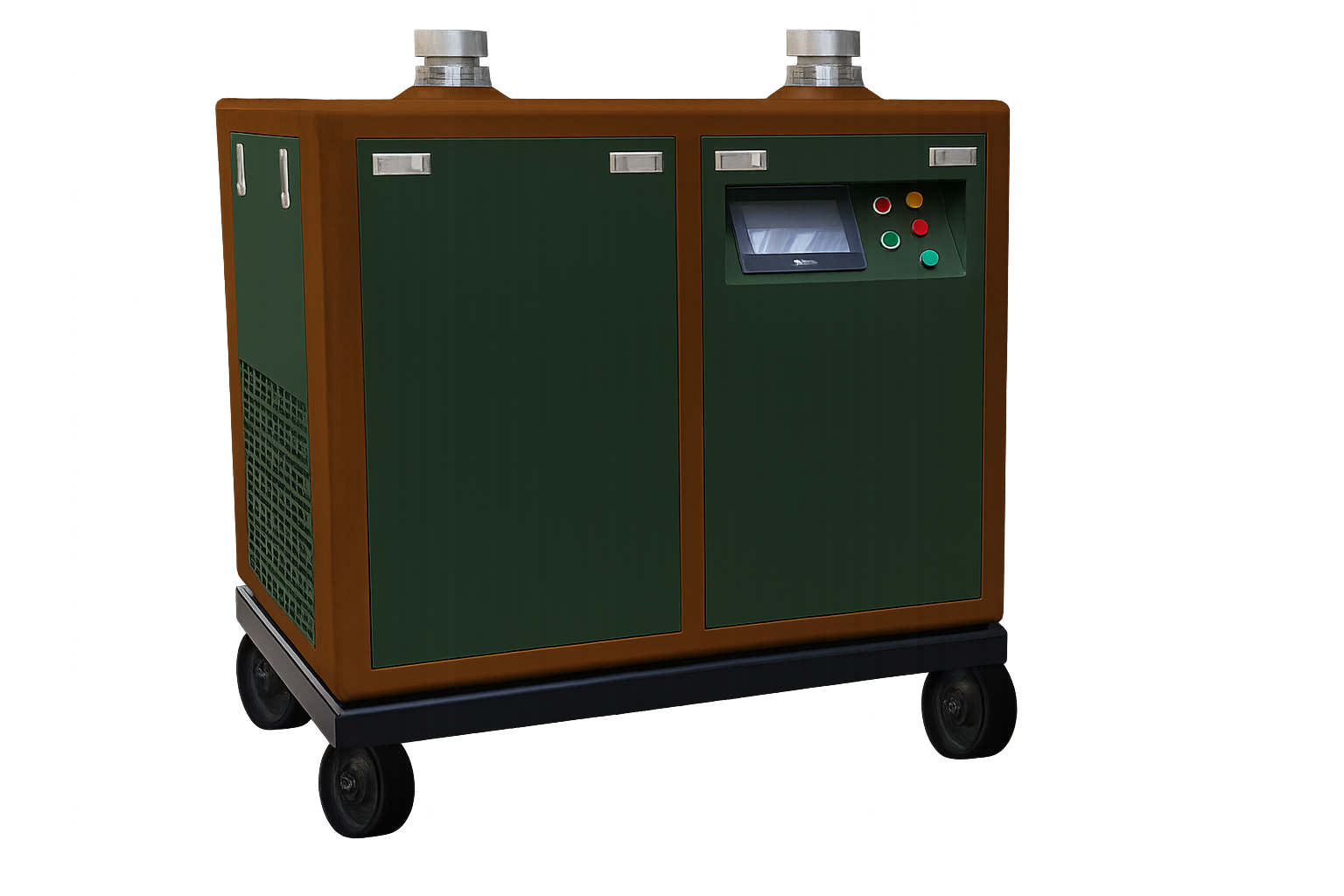
Equipment Parameters
| Item |
Unit |
Technical Parameters (QSM-3-11-Bbs) |
Technical Parameters (QSM-3-15-Bbs) |
| Machine Model |
/ |
QSM-3-11-Bbs |
QSM-3-15-Bbs |
| Working Pressure |
MPa |
6~30 |
6~30 |
| Motor Power |
kW |
11 |
15 |
| Working Voltage |
V |
380 |
380 |
| Water Pump Flow |
L/min |
15~45 |
20~60 |
| Cutting Thickness |
mm |
80 |
120 |
| Cutting Speed |
mm/min |
80~100 |
90~120 |
| Machine Noise |
dB |
90 |
90 |
| Machine Weight |
kg |
370 |
450 |
| Overall Dimension |
mm |
1150×900×450 |
1200×900×900 |
| Mixing Tank Weight |
kg |
90 |
110 |
| Water Tank Dimension |
mm |
660×42×99 |
750×42×96 |
| Water Tank Capacity |
L |
70 |
80 |
| Abrasive Tank Capacity |
L |
30 |
40 |
| Abrasive Weight |
kg |
80 |
100 |
| Continuous Working Time |
min |
50min/abrasive |
60min/abrasive |
| Working Medium |
/ |
Clean water, garnet sand |
Clean water, garnet sand |
| Garnet Grit Size |
Mesh |
80 |
80 |
| Garnet Flow Rate |
kg/min |
1.5~2.0 |
2.0~2.5 |
| Nozzle Diameter |
mm |
Cutting: 0.8~1.0<br>Derusting: 2.0~3.0<br>Cleaning: 3.0~5.0 |
Cutting: 0.8~1.0<br>Derusting: 2.0~3.0<br>Cleaning: 3.0~5.0 |
| Frequency Range |
Hz |
Cutting: 20~30<br>Derusting: 30~50<br>Cleaning: 40~60 |
Cutting: 20~30<br>Derusting: 30~50<br>Cleaning: 40~60 |
| Water Pump Flow (by Scenario) |
L/min |
Cutting: 15<br>Derusting: 30<br>Cleaning: 45 |
Cutting: 20<br>Derusting: 40<br>Cleaning: 60 |
| Working Pressure (by Scenario) |
MPa |
Cutting: 25~30<br>Derusting: 8~12<br>Cleaning: 8~10 |
Cutting: 25~30<br>Derusting: 8~12<br>Cleaning: 8~10 |
Related Cutters:
GXCL55cutter