
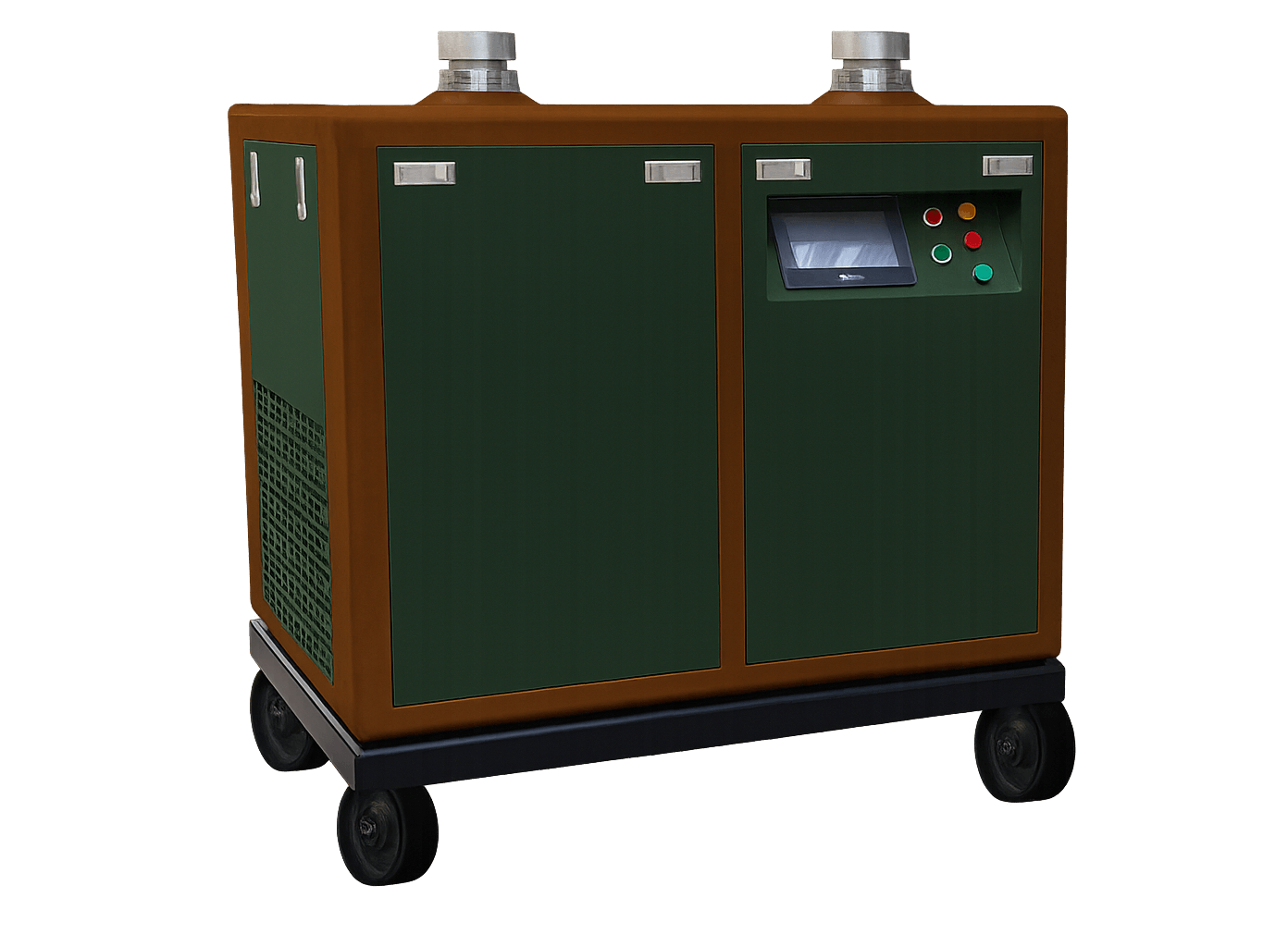
features & advantages
Feature 1
QSM equipment is Intelligent PLC Control System 3-in-1 Functionality: Cutting, Cleaning and Rust Removal .QSM Waterjet cleaning is a cold process that generates no heat, preventing metal deformation, structural damage, or coating burn-off.
Feature 2
QSM is Multi-Nozzle and Multi-Pressure Compatibility. Dual-tank design (24-hour True Nonstop Operation).No chemical solvents are required, ensuring clean operation and compliance with strict maritime environmental regulations.
Feature 3
QSM Designed with a portable and mobile configuration is Equipped with safety protection features such as water-shortage shutdown, over-temperature alarm, solenoid-valve pressure regulation, and under-pressure/over-pressure protection.
Product Description
Hull cleaning: The invisible battleground that determines navigational safety and operating costs
Rust removal is not just a cosmetic issue; it is a key factor in the structural safety and operating costs of ships.
The rate of corrosion faced by ships in the marine environment far exceeds people’s imagination. Data shows that an untreated hull can corrode to a depth of 0.15 millimeters per year, equivalent to a 5% loss in steel plate thickness annually. An investigation into the 2021 fuel spill on the USS Villa Bay, a U.S. Navy cruiser, revealed that the fuel tanks were perforated by rust in just three years, directly resulting in $120 million in repair costs and six months of downtime.
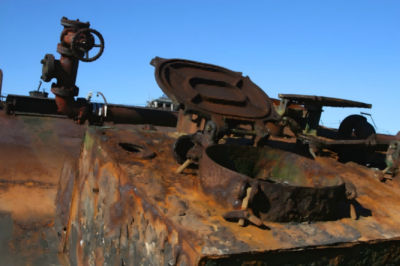 |
| The image shows details of localized rust on the hull, with a rust layer thickness of 2-3 millimeters and visible signs of flaking. |
Waterjet technology: A revolution in ship cleaning, contributing to safer navigation.Waterjet technology promises to revolutionize ship cleaning. It can remove contaminants with extremely high efficiency, prevent structural damage and safety hazards caused by corrosion, and ultimately ensure safe navigation. |
The core advantages of waterjet technology in rust removal and cleaning of ship hulls
Waterjet technology, especially ultra-high pressure (UHP) waterjet systems (≥100 MPa), combines purely physical cleaning without the need for any abrasive or chemical media , making it ideal for meeting the stringent requirements of ship hull maintenance. Its main advantages include:
1. Environmentally friendly and fully compliant with maritime regulations
-
Using only water — without chemicals, abrasives, dust, or secondary waste—eliminates the risk of marine pollution and protects the health of crew members
(fully compliant with the International Maritime Organization’s Convention on the Protection of the Marine Environment) . -
Wastewater can be filtered and recycled to ensure no secondary pollution occurs—ideal for ports, dry docks, and environmentally regulated shipyards.
2. No damage to the ship’s base material, maintaining structural integrity.
-
Ultra-high pressure water jets remove rust, marine organism attachments (barnacles, algae), and old coatings through impact-driven stripping action , rather than through abrasion.
-
Effectively cleans steel plates, welds, and coating substrates without reducing the thickness of the steel plate or damaging the welds ;
-
Compared to dry blasting (which typically results in surface scratches and metal loss), waterjet erosion is negligible, thus extending the service life of the container .
3. High-efficiency integrated surface treatment
-
High-energy water jets can penetrate deep into welds, joints, rivets, and gaps to remove:
-
pitting
-
Layered rust
-
Calcified marine organisms
-
Aging antifouling and protective coatings
-
-
Cleanliness level up to SA 2.5–SA 3 (ISO 8501-1) ;
-
It can form a uniform micro profile ( Ra 40–80 μm ) and can be directly coated without additional grinding , thereby reducing docking time and increasing productivity;
-
The cleaning efficiency of each cubicle is 30-50% higher than that of traditional methods .
4. Excellent flexibility, enabling all-around hull operations.
-
Adjustable pressure and flow rate allow for seamless transitions between the following:
-
Low-pressure deck and oil stain cleaning
-
Used for ultra-high pressure hull descaling and coating removal
-
-
Compatible with handheld fish finders, robotic arms, and remotely operated vehicles (ROVs) , supporting:
-
External hull and propeller
-
Cargo holds and ballast tanks
-
Constrained space and complex geometry
-
Sensitive components such as radar and navigation systems
-
-
Ensure comprehensive coverage with no blind spots .
5. Multifunctional integration reduces total cost.
-
The system integrates functions such as rust removal, paint stripping, marine dirt removal, and surface treatment ;
-
Eliminate costs associated with abrasive procurement, logistics, disposal, and environmental treatment;
-
Water, as a consumable, can reduce operating costs— compared to dry blasting and chemical cleaning, it can reduce total cost of ownership by 20% to 40% over the long term.
6. Improve operational safety
-
Cold cutting and cleaning process – no sparks, no open flames, no risk of explosion;
-
Ideal for use in enclosed spaces such as cargo holds and fuel tanks ;
-
Remote-controlled robot solutions can significantly reduce the following associated risks:
-
Working at heights outside the hull
-
Underwater propeller maintenance
-
Equipment Specifications
| thing | unit | Model QSM-3-1T/bS | Model QSM-3-15/bS |
| Machine Model | Megapascal | QSM-3-1T/bS | QSM-3-15/bS |
| Work pressure | liters per minute | 6~30 | 6~30 |
| motor power | kilowatt | 11 | 15 |
| Operating voltage | exist | 380 | 380 |
| Water supply | liters per minute | 15~45 | 20~60 |
| Depth of cut | millimeters | 120 | 120 |
| Cutting speed | mm/min | 80~100 | 90~120 |
| Machine noise | decibel | 90 | 90 |
| Pump weight | Kilogram | 370 | 450 |
| aspect | millimeters | 1150×900×850 | 1200×900×900 |
| Mixing tank capacity | Kilogram | 90 | 100 |
| External dimensions | millimeters | 660×299 | 750×299 |
| Water tank capacity | L | 70 | 80 |
| Abrasive storage | L | 30 | 40 |
| Lubricating oil tank | Kilogram | 80 | 100 |
| Continuous working time | Minimum | 50 minutes (true) | 60 minutes (really) |
| medium | / | Clear water, stone sand | Clear water, stone sand |
| Sand grain size | net | 80 | 80 |
| Sand flow rate | kg/min | 1.5 ~ 2.0 | 2.0 ~ 2.5 |
| Nozzle diameter | millimeters | Cutting: 0.8–1.0; Flushing: 2.0–3.0; Cleaning: 3.3–5.0 | Cutting: 0.8–1.0; Flushing: 2.0–3.0; Cleaning: 3.3–5.0 |
| Frequency range | hertz | Cutting 20-30; rinsing 30-50; washing 40-60 | Cutting 20-30; rinsing 30-50; washing 40-60 |
| Water supply | liters per minute | Cutting 15; Rinsing 30; Cleaning 45 | Cutting 20; Rinsing 40; Cleaning 60 |
| Work pressure | Megapascal | Cut 25-30; Rinse 6-12; Wash 6-10 | Cut 25-30; Rinse 6-12; Wash 6-10 |