
Waterjet Technology: The Safest Choice for Oil and Gas Pipeline Cutting
Waterjet Technology: The Safest and Most Reliable Solution for Oil and Gas Pipeline Cutting
In oil and gas pipeline cutting operations, safety is non-negotiable. Traditional hot-cutting methods—such as flame, plasma, or grinding—introduce significant fire and explosion risks, especially when residual hydrocarbons are present.
Waterjet cutting technology, a proven cold-cutting process, has emerged as the safest and most reliable solution for pipeline cutting in hazardous environments across the global oil and gas industry.
How Waterjet Cutting Works
Waterjet cutting uses the kinetic energy of ultra-high-pressure water to cut materials without generating heat or sparks.
Key Process Steps
1. Ultra-High-Pressure Generation
Ordinary water is pressurized by a high-pressure pump to 2,000–6,000 bar (30,000–90,000 psi)—comparable to pressures found several kilometers below sea level.
2. High-Velocity Jet Formation
The pressurized water is forced through a precision gemstone nozzle (0.08–0.5 mm diameter), forming a focused jet traveling at up to 900 m/s, creating a powerful cutting stream.
3. Abrasive Waterjet (Optional)
For metal pipelines and thick-wall components, garnet abrasive is added to the water stream to enhance cutting efficiency through micro-erosion.
4. Cold Material Separation
The jet cuts through the material via impact and abrasion while simultaneously cooling the cutting zone and removing debris.
Why Waterjet Cutting Is Ideal for Oil & Gas Pipelines
True Cold Cutting – Zero Ignition Risk
Waterjet cutting produces no flame, no sparks, and virtually no heat, eliminating ignition sources in flammable or explosive atmospheres.
No Heat-Affected Zone (HAZ)
Unlike thermal cutting, waterjet cutting does not alter metallurgical properties, preventing deformation, hardening, or micro-cracks—critical for pipeline integrity and post-cut welding.
Wide Material Compatibility
Waterjet technology cuts:
-
Carbon steel, stainless steel, and alloy pipelines
-
Composite pipes and lined pipes
-
Wall thicknesses exceeding 250 mm with abrasive assistance
Clean and Environmentally Responsible
-
No toxic fumes or metal vapors
-
No slag or molten residue
-
Minimal waste, compliant with modern environmental and HSE standards
Why Pipeline Cutting in Oil & Gas Is High Risk
Pipeline cutting presents multiple hazards:
-
Residual hydrocarbons remaining even after cleaning
-
Ignition sources from flames, sparks, or friction
-
Static electricity and induced currents from electric tools
-
Toxic or oxygen-deficient atmospheres in confined spaces
-
Mechanical hazards from pipe movement or tool failure
These risks make traditional cutting methods unsuitable for live or hazardous pipelines.
How Waterjet Cutting Minimizes Operational Risk
Waterjet technology inherently reduces risk and simplifies safety management:
-
No hot-work permits required in many applications
-
No static discharge or electrical ignition sources
-
Safe operation in gas-contaminated or confined environments
-
Reduced need for extensive purging and downtime
Typical Applications in the Oil & Gas Industry
-
Pipeline cutting and modification
-
Tank and vessel dismantling
-
Maintenance and repair in explosive zones
-
Hot tapping preparation (cold-cut method)
-
Decommissioning of aging infrastructure
Beyond Oil & Gas: Proven Across Critical Industries
Waterjet cutting is widely adopted in:
-
Aerospace – titanium alloys, composites
-
Automotive – body panels and interior components
-
Construction & Stone – concrete, marble, granite
-
Food Processing – hygienic, contamination-free cutting
-
Hazardous Material Disposal – safe dismantling of obsolete ammunition and chemical containers
Waterjet Cutting Machines: The Smart Choice for Pipeline Safety
For oil and gas operators seeking maximum safety, precision, and compliance, waterjet cutting machines offer:
-
Intrinsic safety – no fire, no sparks, no heat
-
High cutting accuracy – up to ±0.1 mm
-
Superior cut quality – smooth, clean edges
-
Portable and modular designs – ideal for offshore, confined, or elevated sites
-
Multi-function capability – cutting, cleaning, and rust removal in one system
A Safer Standard for Pipeline Cutting
As safety regulations tighten and risk tolerance decreases, waterjet cutting is becoming the preferred standard for oil and gas pipeline operations worldwide.
Cold cutting is no longer an option—it is the future of safe pipeline work
Comparison: Traditional Cutting vs. Waterjet Cutting
|
Comparison Item
|
Traditional Cutting Methods (Flame, Plasma)
|
Water Jet Cutting
|
|
Safety Performance
|
Produces open flame and high temperature; fire/explosion risks exist
|
No open flame or high temperature; inherently safe
|
|
Cutting Method
|
Thermal cutting; produces heat-affected zone
|
Cold cutting; no heat-affected zone
|
|
Impact on Material
|
May cause material deformation, hardening or metallographic structure change
|
Does not alter material properties; can be directly welded after cutting
|
|
Work Environment Requirements
|
Strict pipeline cleaning/replacement required; hot work permit needed
|
Can operate directly in environments with residual oil/gas
|
|
Environmental Performance
|
Produces toxic gases and fumes
|
Clean and eco-friendly; only produces water and debris
|
|
Cutting Precision
|
Low precision; rough cut edge
|
High precision; smooth and flat cut edge
|
|
Application Range
|
Mainly used for cutting metal materials
|
Can cut almost all materials, including flammable and explosive items
|
|
Post-processing
|
Cut edge requires grinding treatment
|
Cut edge requires no secondary processing
|
Conclusion: Waterjet Cutting Is the Safest Choice for Oil and Gas Pipelines
Waterjet technology fundamentally resolves safety challenges in oil and gas pipeline cutting. Compared with traditional methods, it eliminates fire and explosion risks, improves cut quality and efficiency, and preserves material integrity.
As safety standards in the oil and gas industry continue to rise, waterjet cutting has become the preferred solution for pipeline cutting, maintenance, and dismantling—providing reliable protection for safe operations and representing the future of industrial safety cutting.
Share This Article, Choose Your Platform!
Related News
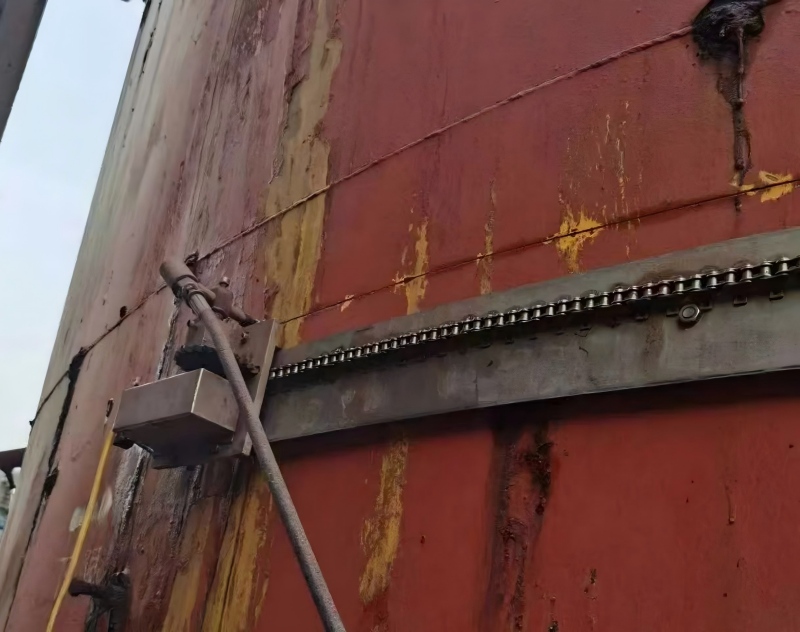
Advantages of Water Jet Cutting Technology for Industrial Pipelines With global industrial upgrading and the growing emphasis on safety and environmental protection, water jet cutting technology—an advanced cold cutting process—has demonstrated significant advantages in the processing and maintenance of industrial pipelines. Industrial pipelines are critical components of energy transmission, chemical production, and infrastructure systems. Their [...]
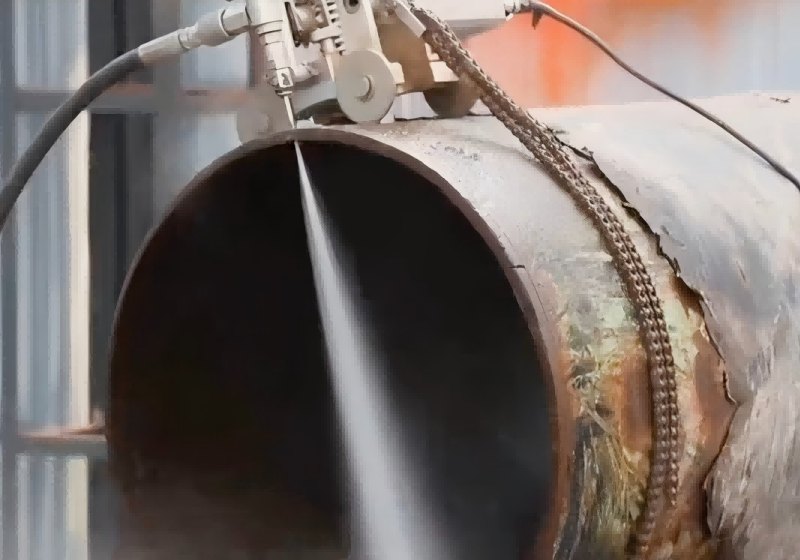
Water Jet Cutting: The Safe Cutting Solution for Oil and Gas Pipeline Industry In high-risk industries such as petrochemical and natural gas storage and transportation, maintenance, renovation, and demolition operations for pipelines and storage tanks are always accompanied by extremely high safety risks. The high temperature, sparks, and toxic gases generated by traditional cutting tools [...]
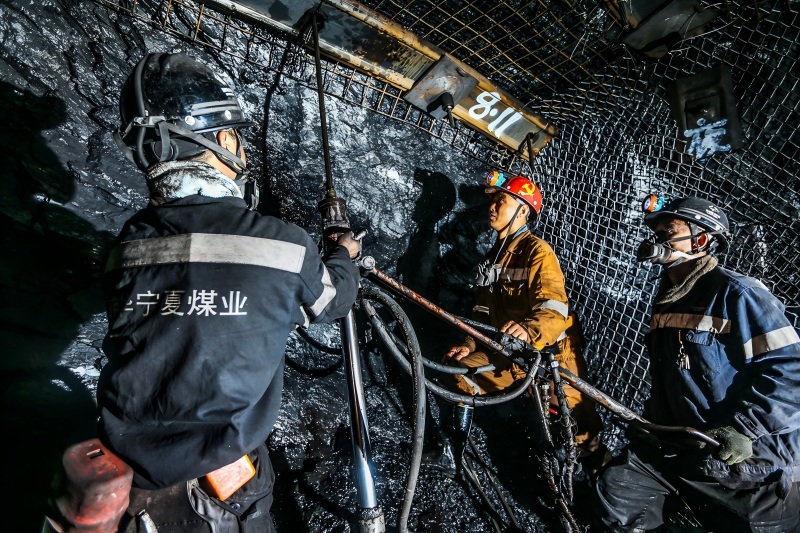
Application and Development Trends of High-Pressure Water Jet Technology in the International Coal Mining Market AbstractHigh-pressure water jet technology, as an advanced cold cutting and processing technology, has been widely applied in the international coal mining market in recent years. This paper analyzes global data on mining water jet cutting equipment, comparing traditional cutting technologies [...]